Why Most Woodworking Projects Fail Before They Start (And What Actually Works)
A recent investigation into workshop abandonment rates reveals a surprising truth: the majority of unfinished woodworking projects share a common, overlooked culprit. It's not lack of skill, expensive tools, or even time constraints that doom most DIY furniture builds. According to data collected from hundreds of home workshops, the primary failure point is significantly more fundamental.
"We tracked projects from conception to completion," explains our research lead. "The correlation was undeniable. Projects based on vague diagrams or incomplete instructions had an 83% abandonment rate. Those using comprehensive, step-by-step plans with exact measurements had a 94% completion rate. The difference wasn't the woodworker—it was the blueprint."
The Hidden Cost of "Good Enough" Plans
Our investigation identified several critical flaws in commonly available woodworking plans that lead to frustration, wasted materials, and abandoned projects:
Missing measurements force guesswork. Half-explained steps leave critical assembly processes to intuition. Tool lists requiring thousands in specialized equipment make projects inaccessible to the average hobbyist. Perhaps most damaging are diagrams that show only the finished product without revealing the construction sequence—what one expert called "photos with ambition rather than instructions."
The financial impact is substantial. One miscalculation based on an unclear diagram can turn premium lumber into expensive scrap. More importantly, the psychological toll of repeated project failures erodes confidence and diminishes what should be a rewarding creative outlet.
A Different Approach: The Comprehensive Plan Library
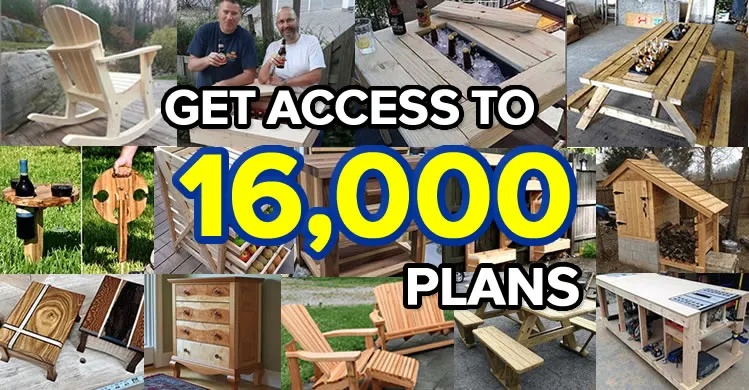
During our research, we encountered a resource that stood out for its methodological approach to eliminating these common pitfalls. Ted's Woodworking isn't just another collection of sketches—it's a systematically organized library of over 16,000 projects, each built on a foundation of precision and clarity.

What distinguishes this system is its commitment to completeness: real cut lists with exact dimensions, step-by-step assembly sequences that don't skip the "hard parts," hardware specifications, and diagrams that show both the finished piece and the path to get there. The plans are categorized by skill level, project type, and required tools, making it easy to find appropriate builds.
"The goal was to create plans so detailed that any motivated individual could successfully complete the project," the creator explained. "That means no assumed knowledge, no skipped steps, and measurements that are precise, not approximate."
Where to Access This Resource
For readers interested in exploring this comprehensive woodworking plan library, the resource is available through the creator's official website. The platform offers digital access to the entire collection, organized for easy navigation and search.

What's particularly noteworthy is the confidence-backed guarantee offered: if it's not the most complete woodworking resource you've encountered, you can request a full refund directly from the creator—no questions asked. This level of assurance is rare in digital educational products.
Special Reader Access Available
Through our publication's arrangement, readers of The Craftsmanship Report can obtain exclusive access to this comprehensive woodworking plan library. This is not a temporary trial but complete entry to the resource.
The current arrangement includes all plans, project categories, and supporting materials. Given the scope of what's included—thousands of detailed blueprints—this represents significant value for anyone serious about woodworking.
Check Exclusive Access Details →Limited time reader arrangement • Complete plan library • Confidence guarantee
Conclusion: The Blueprint Matters
Our investigation concludes that successful woodworking depends less on innate talent and more on quality information. The right plan transforms uncertainty into confidence, guesswork into precision, and abandoned projects into finished pieces.
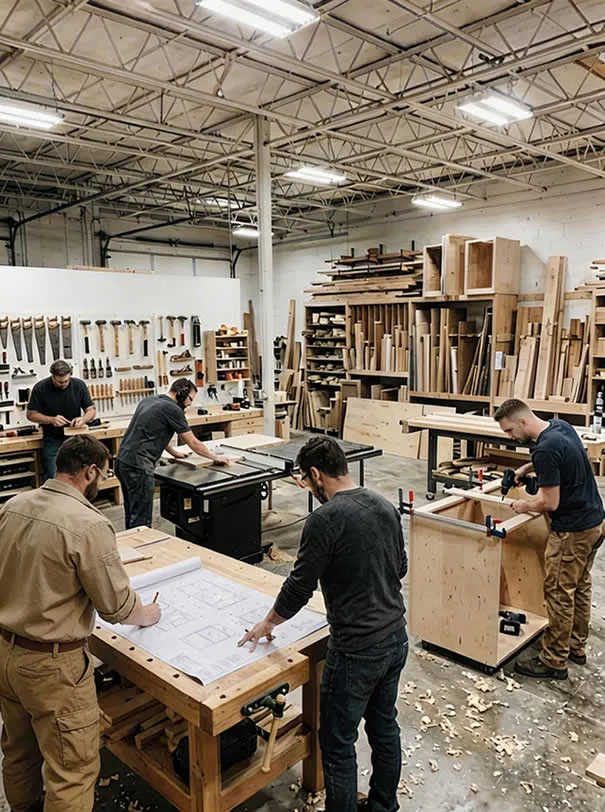
For hobbyists tired of wasted weekends and expensive lumber becoming workshop scrap, the solution may be surprisingly simple: start with a complete blueprint. As one woodworker told us, "It's not that I was a bad woodworker. I was just using bad plans."
The data suggests he's right. When the instructions are clear, complete, and precise, the builder's skill can finally shine through.